Your tongue and throat muscles affect how you breathe at night. I help you retrain them with simple exercises, online and one-on-one, to support better sleep for you or your child.
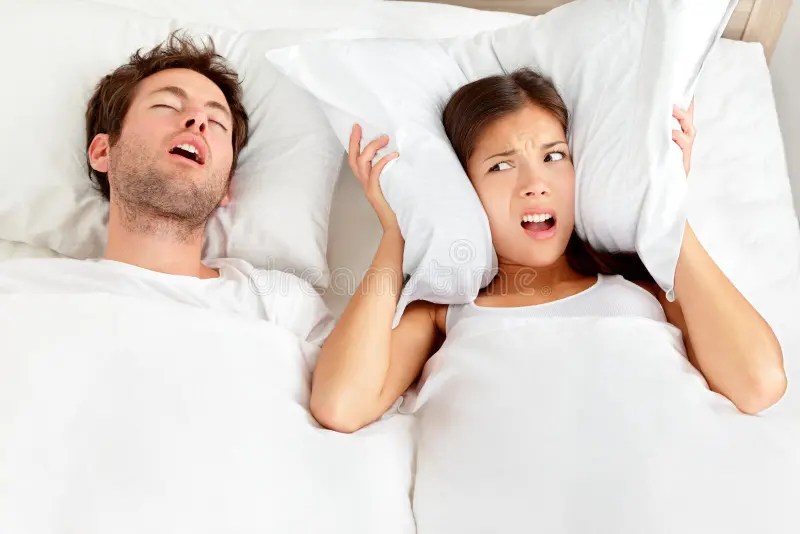
Why do we snore?
Signs you might notice
Adults
- Snoring, or a partner who says you do
- Waking up tired even after a full night
- Dry mouth or sore throat in the morning
- Morning headaches or jaw soreness
- Teeth grinding or clenching
- Trouble focusing or staying awake during the day
- Waking up gasping or choking
Kids
- Snoring or loud breathing at night
- Sleeping with the mouth open
- Restless sleep, sweating, or wetting the bed
- Trouble focusing, or big mood swings during the day
- Grinding teeth
Where myofunctional therapy fits
Therapy trains the muscles of your tongue, lips, and throat to hold the right position and keep your airway more open. Research suggests it may reduce snoring and, for some people, how severe their sleep apnea is. It works best alongside medical care, not instead of it.
What I do: I evaluate how you breathe, how your tongue rests and moves, and what’s happening with your mouth and jaw. Then I build a plan to retrain those habits.
What I don’t do: Sleep apnea is diagnosed with a sleep test ordered by a doctor, and treatments like a CPAP machine, an oral appliance, or surgery are decided with your medical team. Many clients use therapy alongside those treatments, and some find it helps them tolerate them better.
If you think you might have sleep apnea
Start with a sleep test. Your doctor can order one, and some are done at home. Once you have your results, I’m happy to work with you and your care team. If you already know you have sleep apnea, therapy can be added to your current treatment, and I’ll coordinate with your doctor or sleep specialist.
If your child snores
Regular snoring in a child is worth bringing up with their pediatrician or an ENT, since enlarged tonsils or adenoids and nasal blockages are common causes that may need medical attention. Myofunctional therapy can then support healthy breathing habits and tongue posture.
How my program works
- Free call. You tell me what’s going on and I explain whether therapy could help.
- First visit. A 60 to 90 minute online evaluation to look at your history, symptoms, and how you breathe, with any sleep test results you have. You leave with a clear plan.
- Therapy sessions. 30 to 45minutes, online, usually every 2 to 3 weeks, with short daily exercises at home.
- Progress check-ins. We track what’s changing, such as snoring, energy, and jaw tension, and adjust as we go.
Questions about snoring and sleep apnea
Can myofunctional therapy cure sleep apnea?
I can’t promise that. Although, research has shown that myofunctional therapy has the ability to reduce the AHI number up to 50%! For some people, therapy reduces how severe sleep apnea is, and for others the change is smaller.
Can I use this instead of my CPAP?
No, please don’t stop any treatment your doctor prescribed. Therapy may be a helpful addition, and any changes to your treatment should be made with your doctor.
I snore but haven’t had a sleep test. Should I book with you first?
You can start with the free call, and I’ll help you figure out your next step. If your symptoms suggest sleep apnea, I’ll recommend a sleep test as part of your plan.
How long until I notice less snoring?
Some people notice changes within a few weeks, and for others it takes a few months. It depends on your habits, your anatomy, and how consistently you practice.
Will my partner notice?
Often they’re the first to! If you’d like, we can track it by having your partner note changes in your snoring along the way.
Tired of being told it’s “just snoring”?
Book a free call and let’s find out what’s behind it.

